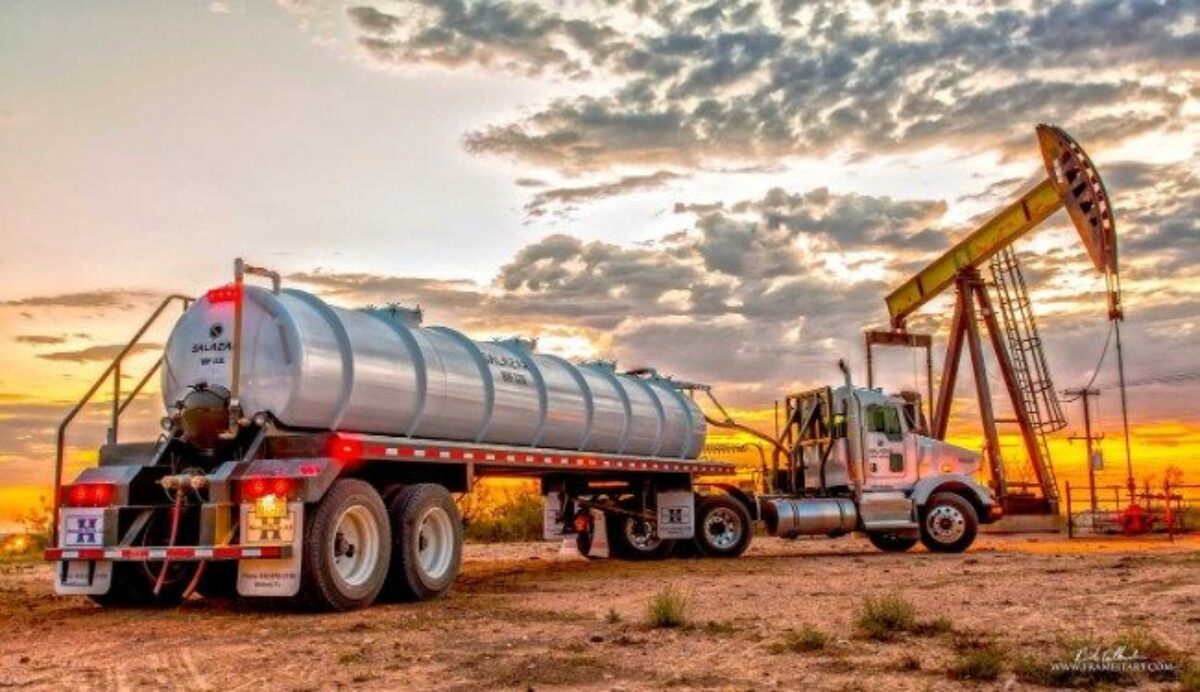
Oilfield trucking companies play a crucial role in the energy www.lonestartruckingandoilfieldservices.com sector by transporting essential materials such as drilling equipment, water, sand, fuel, and chemicals to and from remote oil and gas sites. Despite being a vital part of the supply chain, these companies face a wide range of operational, financial, and environmental challenges that continue to intensify in today’s rapidly changing industry landscape.
One of the most significant challenges is volatile oil prices. The oil and gas industry is highly sensitive to global market fluctuations, and when prices drop, exploration and production activities often slow down. This directly reduces demand for trucking services, leading to unstable revenue streams for logistics providers. As a result, companies must constantly adapt to unpredictable workloads, making long-term planning difficult.
Another major issue is the high cost of operations. Oilfield trucking requires specialized heavy-duty vehicles that are expensive to purchase, maintain, and fuel. Rising diesel prices further strain operating budgets. In addition, maintenance costs increase due to harsh working conditions, such as rough terrain, long distances, and extreme weather. These factors significantly reduce profit margins, especially for smaller operators.
The industry also faces a persistent driver shortage. Operating in oilfields often requires drivers to work long hours in remote and physically demanding environments. This makes recruitment and retention challenging. Many experienced drivers leave the industry for more stable and less demanding jobs, forcing companies to rely on less experienced workers, which can impact safety and efficiency.
Safety risks are another critical concern. Oilfield trucking involves transporting hazardous materials and operating in high-risk environments such as active drilling sites. Accidents, equipment failures, and human error can lead to serious consequences, including environmental damage and personal injury. Companies must invest heavily in training, compliance, and safety technologies to mitigate these risks, adding further to operational costs.
Environmental regulations are becoming increasingly strict, adding another layer of complexity. Governments are pushing for reduced emissions and more sustainable practices. Oilfield trucking companies are under pressure to modernize their fleets with cleaner technologies, such as low-emission engines or alternative fuels. While this transition is necessary, it requires significant capital investment that many companies struggle to afford.
Additionally, logistical challenges such as remote locations and poor infrastructure can hinder efficiency. Oilfields are often located far from urban centers, with limited road access and unreliable conditions. This leads to delays, increased fuel consumption, and higher wear and tear on vehicles.
Finally, technological adaptation is both an opportunity and a challenge. Digital tools like GPS tracking, fleet management systems, and predictive maintenance can improve efficiency, but implementing these systems requires investment and employee training. Companies that fail to adapt risk falling behind more technologically advanced competitors.
In conclusion, oilfield trucking companies operate in a demanding environment shaped by economic volatility, operational costs, labor shortages, safety concerns, and environmental pressures. To remain competitive, they must continuously innovate, improve efficiency, and adapt to evolving industry expectations.