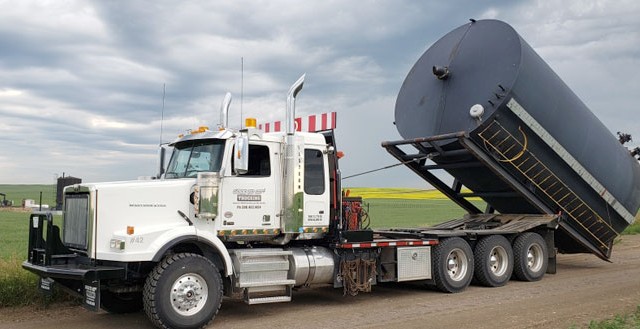
Oilfield trucking companies play a crucial role in the global energy supply chain by transporting drilling equipment, pipes, heavy machinery, and hazardous materials www.lonestartruckingandoilfieldservices.com to remote oil and gas sites. Despite their importance, these companies face a growing number of operational, financial, and environmental challenges that make their work increasingly complex.
One of the primary challenges is the remote and harsh nature of oilfield locations. Many oil and gas operations are situated in deserts, offshore regions, or rugged terrain with limited infrastructure. Poor road conditions, lack of access routes, and long distances significantly increase travel time and vehicle wear. These conditions also raise the risk of mechanical failure and accidents during transportation.
Weather conditions further complicate operations. Extreme heat, heavy rain, snow, and sandstorms can disrupt schedules and damage equipment. Trucking companies must constantly adapt their planning to ensure safe and timely deliveries while minimizing downtime caused by unpredictable weather events.
Regulatory compliance is another major challenge. Oilfield trucking companies must follow strict rules regarding oversized loads, hazardous materials, and environmental protection. Obtaining permits for cross-border or oversized transport can be time-consuming and costly. In addition, companies must ensure that drivers and equipment meet all safety standards required by local and international authorities.
Rising operational costs also place significant pressure on the industry. Fuel prices, maintenance expenses, insurance, and specialized equipment requirements continue to increase. At the same time, clients expect faster delivery times and more cost-effective services. This creates a constant need for optimization and efficiency improvements.
To remain competitive, many companies are adopting advanced logistics technologies. GPS tracking, fleet management systems, and predictive maintenance tools help improve efficiency and reduce unexpected breakdowns. Digital route planning also allows operators to identify safer and faster transport paths, improving overall delivery performance.
In the middle of these operational challenges, many energy companies rely on heavy equipment logistics services to ensure that critical machinery and materials are delivered safely to oilfield locations. These services help reduce transportation risks by providing specialized equipment, experienced operators, and detailed planning for complex deliveries.
Safety remains a top priority in oilfield trucking operations. Companies must conduct thorough risk assessments before every shipment, including route inspections, cargo securing procedures, and equipment checks. Escort vehicles and trained drivers are often required when transporting oversized or hazardous materials to ensure compliance and minimize risks.
Environmental concerns are also becoming increasingly important. Companies are under pressure to reduce carbon emissions and adopt more sustainable practices. This includes using fuel-efficient trucks, optimizing routes to reduce mileage, and minimizing idle time during operations.
In conclusion, the challenges facing oilfield trucking companies today are multifaceted, ranging from harsh environments and regulatory requirements to rising costs and sustainability demands. However, with the right technology, expertise, and logistics partnerships, these challenges can be managed effectively, ensuring that critical energy operations continue without disruption.