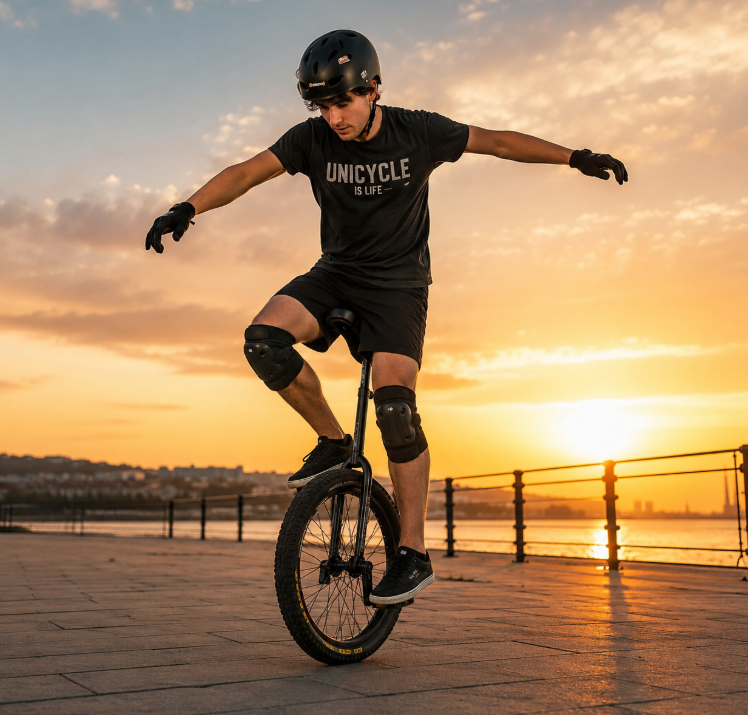
Learning to ride a unicycle is a mix of patience, balance, and rhythm. At first, it may feel unstable, but that is completely normal. The key is to start slow and focus on control rather than speed. Find a safe practice area with a wall or railing for support. This https://www.tektekerbisiklet.com/ helps you build confidence while your body learns how to adjust balance naturally. Consistent practice is the foundation of steady progress.
Mastering Basic Balance Techniques
Balance is the heart of unicycle riding. Keep your body upright and relaxed instead of stiff. Your eyes should look forward, not down at the wheel. Small body adjustments help maintain stability. Try to keep your weight centered over the seat. Even slight shifts in posture can affect balance. Practicing short rides helps your body understand how to stay steady on one wheel.
Learning Controlled Mounting
Mounting a unicycle is often the hardest part for beginners. Start by placing the pedal in a low position for easier access. Hold onto a stable surface and step onto the pedal with control. Push off gently and try to sit quickly while maintaining balance. Do not rush the motion, as smooth movement is more important than speed. Repeating the mounting process builds muscle memory and confidence.
Improving Forward Movement
Once balance improves, focus on smooth forward motion. Pedal with steady and even pressure. Avoid sudden or forceful movements that can disrupt balance. Look ahead to where you want to go, not at your feet. This helps your body naturally adjust direction and speed. Small corrections are better than large movements. Over time, riding will feel more natural and controlled.
Practicing Turning and Steering
Turning on a unicycle requires gentle body control. Lean slightly in the direction you want to go. Use your hips and upper body to guide movement. Avoid sharp turns at the beginning, as they can cause loss of balance. Practice wide, slow curves first. As control improves, you can gradually attempt tighter turns. Steering becomes easier as balance skills develop.
Building Core Strength and Stability
Core strength plays a major role in unicycle control. Strong abdominal and back muscles help stabilize your body. Simple exercises like planks, squats, and leg raises can improve balance. Better physical strength makes it easier to adjust quickly while riding. Flexibility also helps reduce stiffness and improve reaction time. A strong body leads to smoother and more confident riding.
Practicing Safe Falling Techniques
Falling is part of learning, so safety is important. Try to step off the unicycle instead of falling directly. Practice falling onto your feet whenever possible. Wearing protective gear like helmets, knee pads, and wrist guards is highly recommended. A safe environment reduces fear and helps you focus on learning. Confidence grows when you know how to handle mistakes safely.
Consistent Practice for Faster Progress
Unicycle skills improve with regular practice. Short daily sessions are more effective than long occasional practice. Repetition helps build muscle memory and balance control. Each session improves coordination and reaction time. Progress may feel slow at first, but consistency leads to steady improvement. Over time, riding becomes smoother and more natural.
Staying Patient and Focused
Learning a unicycle takes time and patience. Everyone progresses at a different pace. Staying calm and focused helps reduce frustration. Small improvements should be appreciated as milestones. Enjoying the learning process makes practice more effective. With dedication, balance and control will gradually become second nature.